How to Start Surfing in Portugal: A Beginner’s Guide
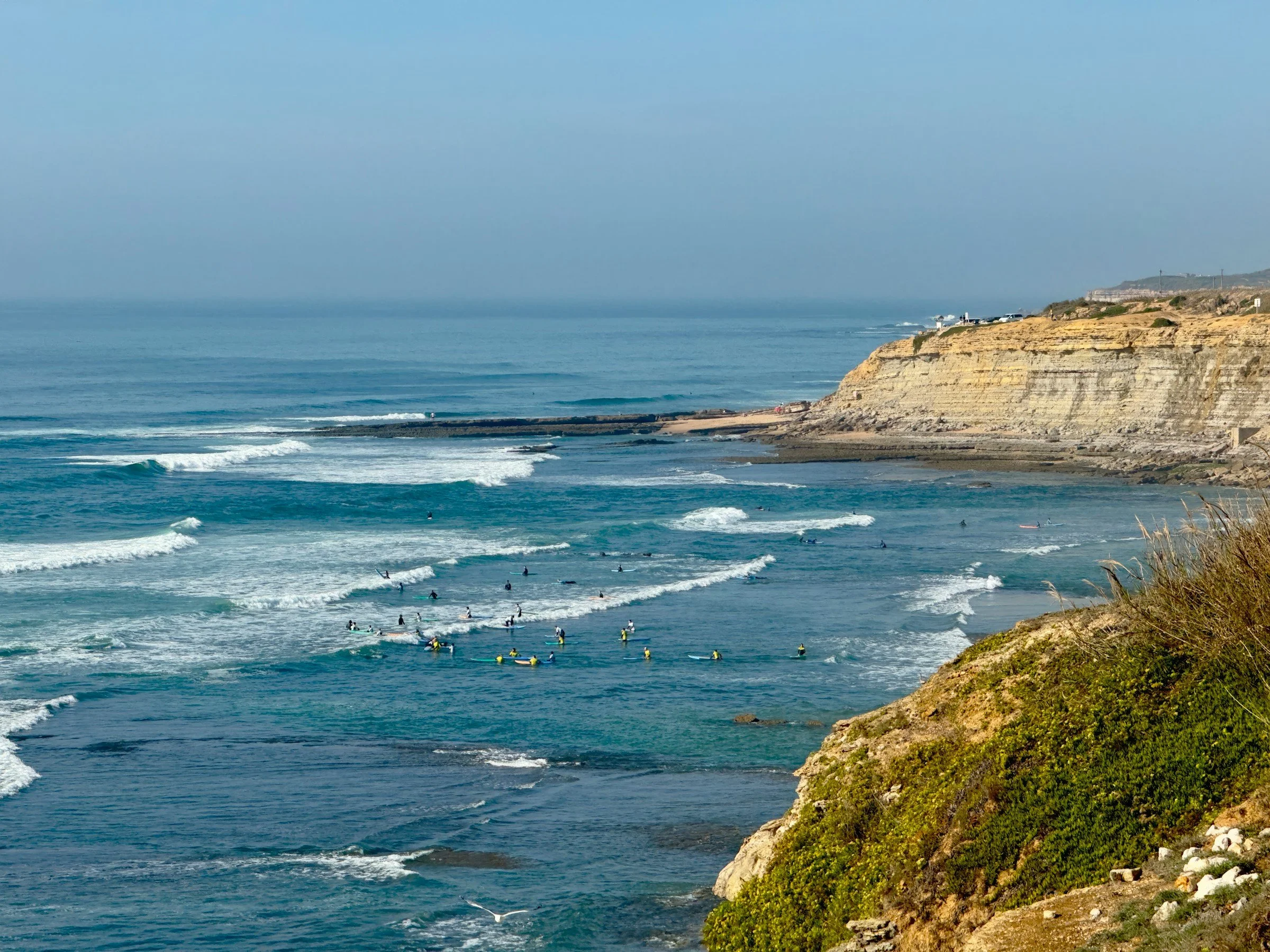
Matadouro Beach, Ericeira
Portugal has quietly become one of the most reliable places in Europe to start surfing. Not because the waves are always easy, but because the coastline offers variety, consistency, and enough flexibility for beginners to learn without being overwhelmed. The Atlantic delivers real energy here, yet Portugal’s beaches, river mouths, and protected stretches allow that energy to be approached progressively rather than all at once.
For people starting surfing for the first time, that balance matters. Learning to surf is not about standing up as fast as possible. It’s about learning how to enter the ocean, how to read what’s happening in front of you, and how to build confidence session by session. Portugal rewards that approach better than most places.
Why Portugal works so well for beginners
Portugal’s coastline stretches for hundreds of kilometers and faces different swell angles and wind directions. This creates natural options. On the same day, one beach might be too powerful while another offers clean, manageable waves that are perfect for learning. That variety is what makes Portugal forgiving for beginners, even though the Atlantic itself is not a gentle ocean.
Areas like Ericeira, the Lisbon coast, and parts of the Algarve have become popular not because they are easy, but because they allow good decisions. When conditions are chosen properly, beginners can surf real waves, feel real power, and still progress safely. Portugal does not remove challenge from surfing, but it allows beginners to meet it at the right pace.
Understanding what surfing actually starts with
Most beginners think surfing begins when you stand up on the board. In reality, it starts much earlier. It starts with paddling, positioning, timing, and understanding where waves break and why. These fundamentals matter more than the act of standing itself, especially in the Atlantic.
Portugal is a good place to learn this because the ocean does not hide mistakes. Even small waves carry energy, and that forces beginners to learn balance, coordination, and awareness early on. It can feel demanding at first, but that demand creates a stronger foundation. Beginners who take the time to understand these basics here tend to progress more confidently later, both in Portugal and elsewhere.
Choosing the right place to learn
Not every surf spot in Portugal is suitable for beginners, even if it looks calm from the beach. This is where many first-timers go wrong. Famous waves are not beginner waves, and clean conditions do not automatically mean safe conditions.
For most beginners, wide beach breaks with sandy bottoms are the best place to start. They allow mistakes without serious consequences and give space to practice paddling, turning, and standing without pressure. Places near river mouths or open beaches often offer softer waves, especially on smaller swells. Learning in these environments allows beginners to focus on technique rather than survival.
What matters most is not the name of the spot, but whether the conditions on that day match your level. In Portugal, that decision changes daily, sometimes hourly.
Equipment, comfort, and realistic expectations
Your first surfboard should feel bigger than you expect. Beginners need stability and volume, not performance. A longer, wider board helps you catch waves earlier and stand up with less effort, which allows you to focus on balance and timing instead of fighting the board.
Portugal’s water temperature also plays a role in learning. Even during summer, the Atlantic remains cool, and staying warm makes a real difference. A proper wetsuit extends sessions, reduces fatigue, and keeps learning enjoyable. Cold water shortens attention spans and kills progression faster than bad waves ever will.
Comfort is not a luxury when you start surfing. It’s part of the learning process.
When beginners should surf in Portugal
Portugal offers surf all year, but beginners benefit most when conditions are forgiving. Spring and early summer are often ideal, with smaller swells, lighter winds, and more predictable conditions. Autumn can also be excellent, but it requires better judgment, as swell energy increases and conditions change more quickly. Winter is not off-limits, but it demands respect and usually guidance, as waves are bigger, water is colder, and currents are stronger.
The best time to start surfing is not defined by the calendar. It’s defined by choosing the right day, the right beach, and the right level of exposure.
Why guidance matters in the beginning
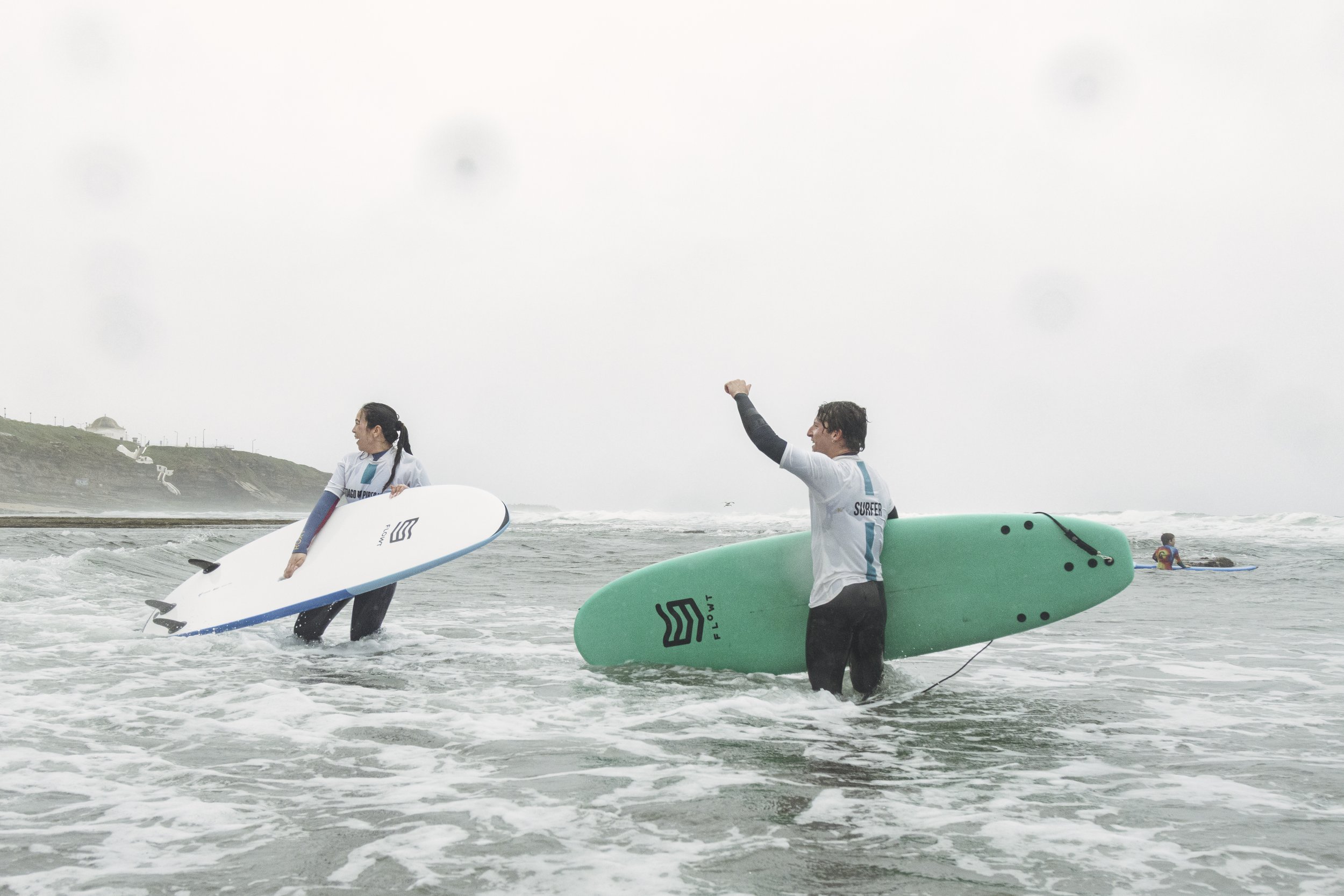
Learning to surf alone is possible, but it is rarely efficient. A good surf school does not just help you catch waves. It teaches you where to sit, when to paddle, and when not to go. It explains why a wave works in one place and closes out in another. In Portugal, where conditions shift constantly, that knowledge saves time and prevents unnecessary risk.
More importantly, guidance builds confidence. Fear is one of the biggest barriers for beginners, and fear usually comes from not understanding what’s happening in the water. When beginners understand the environment, they relax. When they relax, they learn faster.
Progression takes patience
Surfing is physically demanding in ways most beginners don’t expect. Paddling uses unfamiliar muscles, balance takes repetition, and timing takes feel rather than logic. Falling is part of the process, and frustration is normal.
Portugal’s waves will expose weaknesses, but they will also reward consistency. The goal is not fast progression. The goal is solid progression. Skills learned correctly in the beginning make everything else easier. Bad habits learned early take years to undo. Surfing does not respond well to shortcuts.
Etiquette is part of learning
From the first session, beginners should understand that surfing is shared space. Lineups work on rules, even if they are not written. Knowing where to sit, who has priority, and how to stay out of the way matters just as much as standing up.
Portugal has a strong surf culture, and respect in the water goes a long way. Most conflicts come from lack of awareness, not bad intentions. Learning etiquette early makes surfing safer and more enjoyable for everyone involved.
Why people keep coming back to Portugal
Many people start surfing in Portugal and never fully move on from it. Not because it’s easy, but because it feels honest. The ocean here teaches patience, awareness, and respect. Progress feels earned, and sessions feel meaningful.
Portugal does not sell surfing as an instant result. It offers it as a process. If you start here with the right mindset, you don’t just learn how to stand up on a board. You learn how to understand the ocean and how to move within it with confidence. That foundation stays with you wherever you surf next.
Starting surfing in Portugal is not about chasing an image or ticking a box. It’s about choosing a place that will teach you properly, challenge you when needed, and support you while you learn. With the right guidance, the right equipment, and patience, Portugal becomes more than a starting point, it becomes where surfing begins to make sense.