Why Ericeira Became Europe’s First World Surfing Reserve
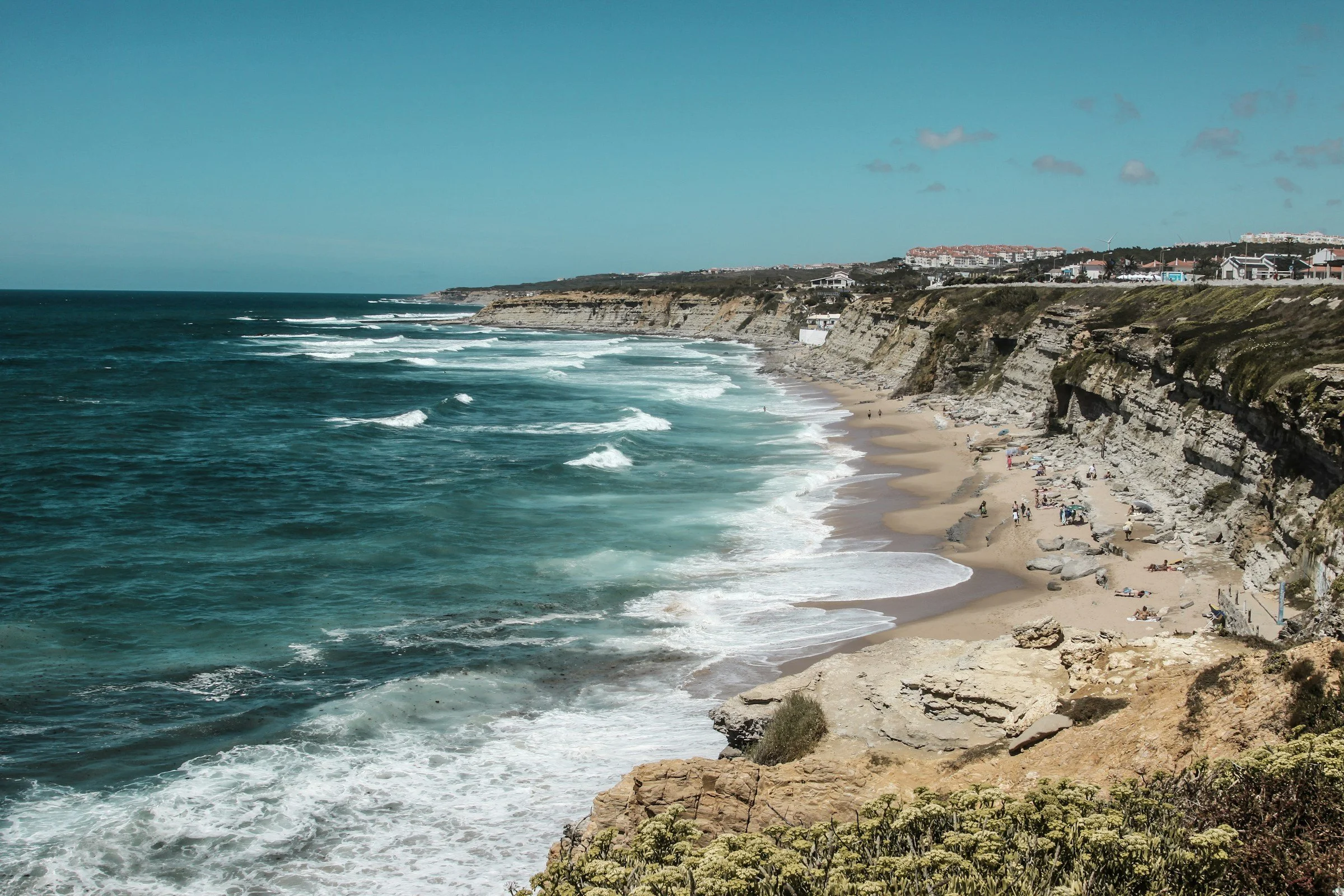
São Sebastião beach followed by Matadouro beach (home for Tiago Pires Surf School)
Ericeira has always been shaped by the ocean.
Long before surf schools, international travelers, or global recognition, the coastline here dictated the rhythm of daily life. Fishing villages grew around it. Families depended on it. And later, surfers learned to read it, respect it, and return to it day after day.
That deep relationship with the sea is the real reason Ericeira became Europe’s first World Surfing Reserve.
This title was not given because Ericeira is trendy or photogenic. It was awarded because the area represents something rare in modern surfing: a coastline where wave quality, environmental value, and community involvement still coexist.
What a World Surfing Reserve really means
A World Surfing Reserve is not a trophy. It is a commitment.
The designation, created by the organization Save The Waves Coalition, exists to protect surf ecosystems that are globally significant. These are places where waves matter, but so do reefs, water quality, wildlife, access, and local culture.
In practical terms, a World Surfing Reserve recognizes that surfing cannot exist in isolation. Waves depend on healthy coastlines. Coastlines depend on responsible development. And responsible development depends on people who care enough to protect what they have.
Ericeira met all those conditions.
A coastline with uncommon diversity
Within a relatively short stretch of coast, Ericeira offers a concentration of high-quality waves that is extremely unusual in Europe.
Reef breaks, points, and beaches sit close to one another, exposed to different swell angles and wind directions. This creates options. When one wave is too big, another may be perfect. When conditions are challenging for beginners, there are still places where learning makes sense. This diversity is one of the reasons Ericeira works so well as both a high-level surf destination and a learning environment. It allows surfers to progress naturally, without being forced into waves that exceed their ability.
Iconic spots like Ribeira d’Ilhas, Coxos, and Foz do Lizandro are very different waves, but together they form a complete system. Each one plays a role in the reserve.
Environmental value beyond surfing
The Ericeira coastline is more than a collection of surf breaks.
Reefs shape the waves. Cliffs protect the coast. Marine life thrives in the surrounding waters. When any one of these elements is damaged, the entire system suffers, including the surf.
Before the reserve status, this area faced the same pressures as many coastal regions in Europe: development, pollution, and increasing tourism without long-term planning. The World Surfing Reserve designation helped shift that conversation. It created a framework where surfing became a reason to protect the coastline, not exploit it. Water quality, access paths, and reef protection stopped being abstract environmental issues and became essential to preserving something people genuinely cared about.
Culture, community, and responsibility
Surfing in Ericeira has always been rooted in community.
Local surfers, fishermen, and families lived alongside the ocean long before international attention arrived. That local knowledge shaped how waves were approached, respected, and shared.
A World Surfing Reserve only works if that culture is protected alongside the waves. Without local involvement, the title would be meaningless. This is especially relevant today, as Ericeira continues to attract surfers from all over the world. Growth brings opportunity, but it also brings responsibility. Respecting lineups, understanding local dynamics, and behaving appropriately in the water are not optional here. They are part of what the reserve exists to preserve.
Learning to surf inside a reserve
Learning to surf in a World Surfing Reserve is different.
It requires patience, awareness, and structure. Surf schools operating within the reserve carry an added responsibility to teach more than just technique. Etiquette, ocean reading, and environmental respect are part of the process.
For students, this creates a better foundation. Progress is not rushed. Skills are built in suitable conditions. And surfers learn early that being in the ocean means sharing space, not claiming it. This approach leads to safer surfers, better surfers, and a healthier surf environment overall.

Coxos, a demanding reef break with clean lines and heavy sections.
Why Ericeira works year-round
One of Ericeira’s greatest strengths is consistency.
The coastline receives swell throughout the year, but conditions vary enough to suit different levels and goals. Smaller, forgiving waves appear alongside powerful, technical ones. Wind protection and tide options allow flexibility. This adaptability is a big reason Ericeira has remained relevant across decades, not just seasons. It is a place where progression makes sense, whether you are catching your first wave or refining advanced maneuvers.
Looking forward
Being Europe’s first World Surfing Reserve places Ericeira under a spotlight.
That attention brings both opportunity and risk. The future of the reserve depends on maintaining balance: welcoming surfers and visitors while protecting what makes the area special in the first place.
The goal is not growth at all costs.
The goal is preservation with purpose.
A place worth protecting
Ericeira became a World Surfing Reserve because it represents what surfing can be when it is done with respect.
Respect for the ocean.
Respect for the coastline.
Respect for the people who live there.
If you surf here, learn here, or travel here, you are stepping into a protected ecosystem. Understanding that context changes the experience.
And that is exactly the point.