The Environmental Impact of a World Surfing Reserve
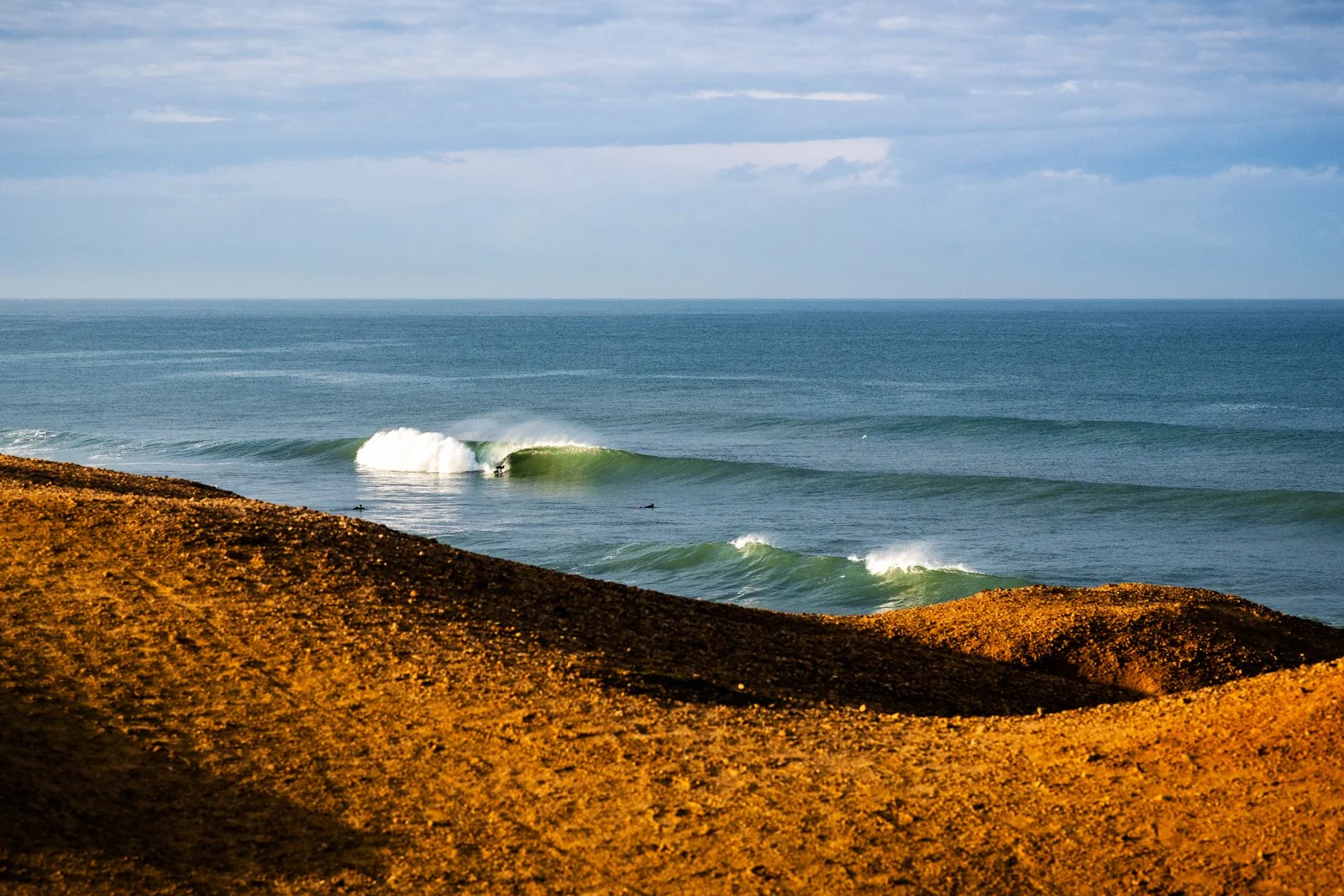
Surfing has always depended on balance. Waves may look powerful, but they are shaped by fragile systems: underwater reefs, sandbanks, coastal cliffs, and water quality that can change quickly when human pressure increases. Surfers have understood this instinctively for decades. When the coastline changes, the waves change with it.
This relationship between surfing and the environment is the foundation of a World Surfing Reserve. The idea was never about creating a label or a status symbol. It was created to protect surf zones where wave quality, environmental health, and local culture are deeply connected, and where losing one would eventually mean losing all of them.
When we talk about the world surfing reserve impact, we are talking about how coastlines are managed, how decisions are made, and how people interact with the ocean over time.
What a World Surfing Reserve actually protects
A World Surfing Reserve focuses on the entire surf ecosystem, not just the wave itself. The program, coordinated by Save The Waves Coalition, identifies coastal areas where surfing depends on very specific natural and environmental conditions.
These conditions include the underwater geography that shapes swell, the reefs and sandbanks that determine how waves break, the quality of the water, the surrounding marine life, and the access points that allow people to reach the ocean safely. When one of these elements is damaged, the whole system is affected.
The reserve framework helps bring these elements into the same conversation, encouraging long-term thinking instead of short-term solutions.
How reserves influence coastal development
One of the most important impacts of a World Surfing Reserve is how it changes the way development is discussed. Coastal projects are no longer evaluated only on economic return, but also on how they affect wave formation, erosion, water flow, and environmental stability.
This does not mean stopping development. It means slowing decisions down and asking better questions before irreversible damage happens. Once a reef is altered or a sandbank disappears, the wave it creates may never return.
In places like Ericeira, this perspective has helped reinforce the idea that waves are not guaranteed. They exist because natural conditions align, and those conditions need protection.
Water quality and everyday impact
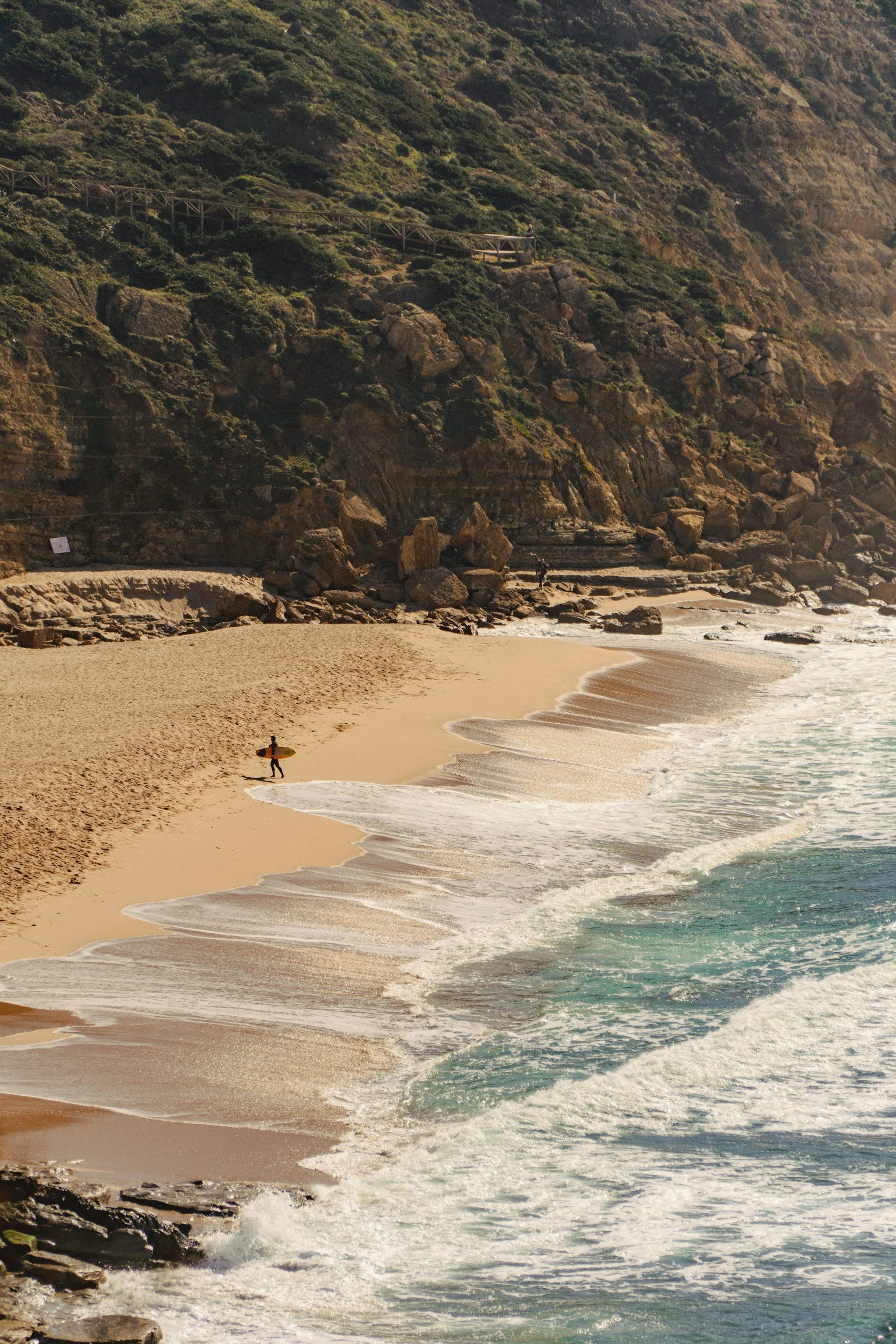
For surfers, water quality is one of the most immediate environmental concerns. Polluted water affects health, confidence, and the simple ability to spend time in the ocean.
A World Surfing Reserve does not automatically fix pollution issues, but it raises visibility and accountability. Wastewater management, runoff control, and coastal pollution become harder to ignore when the ocean is officially recognised as a protected surf ecosystem.
Cleaner water benefits everyone. It supports marine life, improves public health, and strengthens the relationship between communities and their coastline. Surfing often becomes the starting point for wider environmental awareness.
Tourism, pressure, and responsibility
Recognition brings attention, and attention brings people. This is one of the main challenges connected to the world surfing reserve impact.
Surf tourism can support local economies, but unmanaged growth puts pressure on sensitive coastal areas. Increased traffic, waste, and overcrowding can quickly damage the very environment people come to enjoy.
A World Surfing Reserve does not aim to stop tourism. It aims to guide it. Responsible surf tourism focuses on education, smaller groups, respect for local rhythms, and quality over quantity. The goal is not fewer surfers, but better behaviour in and around the ocean.
The role of education and surf schools
Education is where environmental protection becomes practical. Teaching someone how to surf without teaching them how waves form, why reefs matter, or how human activity affects the ocean creates a gap that eventually leads to damage.
Surf schools play a key role inside World Surfing Reserves. They are often the first contact people have with the ocean. The way that experience is framed shapes how beginners understand surfing and responsibility.
Schools that operate thoughtfully help reduce pressure on sensitive areas by choosing appropriate spots, managing group sizes, and teaching respect for both the ocean and other surfers. In this way, surf education becomes one of the strongest tools for long-term sustainability.
Community involvement and long-term thinking
A World Surfing Reserve only works if local communities are involved. Surfers, residents, fishermen, and local businesses interact with the coastline every day. Their habits and decisions shape the real outcome of conservation efforts.
The strongest reserves are those where environmental care aligns naturally with local identity, rather than feeling imposed from the outside. When protection becomes part of everyday life, it lasts.
Perhaps the most important shift introduced by a World Surfing Reserve is time. Instead of asking what benefits a coastline today, the reserve encourages thinking decades ahead. Will the waves still break the same way? Will the water still be safe? Will the coastline still support both nature and community?
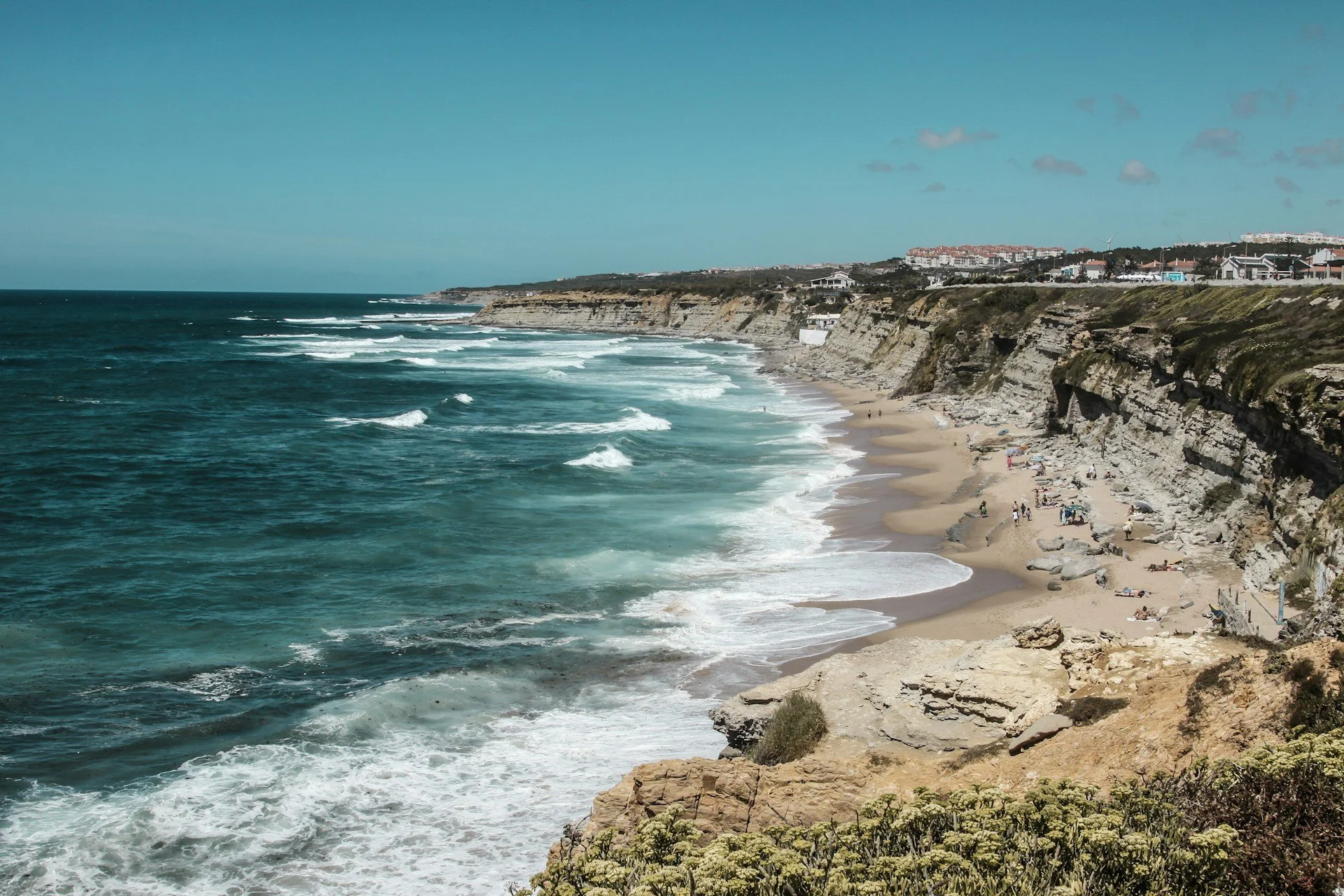
A World Surfing Reserve is not a guarantee of protection. It is a framework for responsibility.
Its environmental impact depends on daily choices: how people surf, how businesses operate, how visitors behave, and how communities care for the coastline. Sustainability in surfing is not about perfection. It is about awareness, education, and consistency.
When those elements are present, waves are not just protected for the next session, but preserved for the future.